Learn why modular single catback exhaust systems are becoming popular for BMW G80 M3, G82 M4 and G87 M2. Explore flow efficiency, fitment accuracy and titanium vs T304 construction.
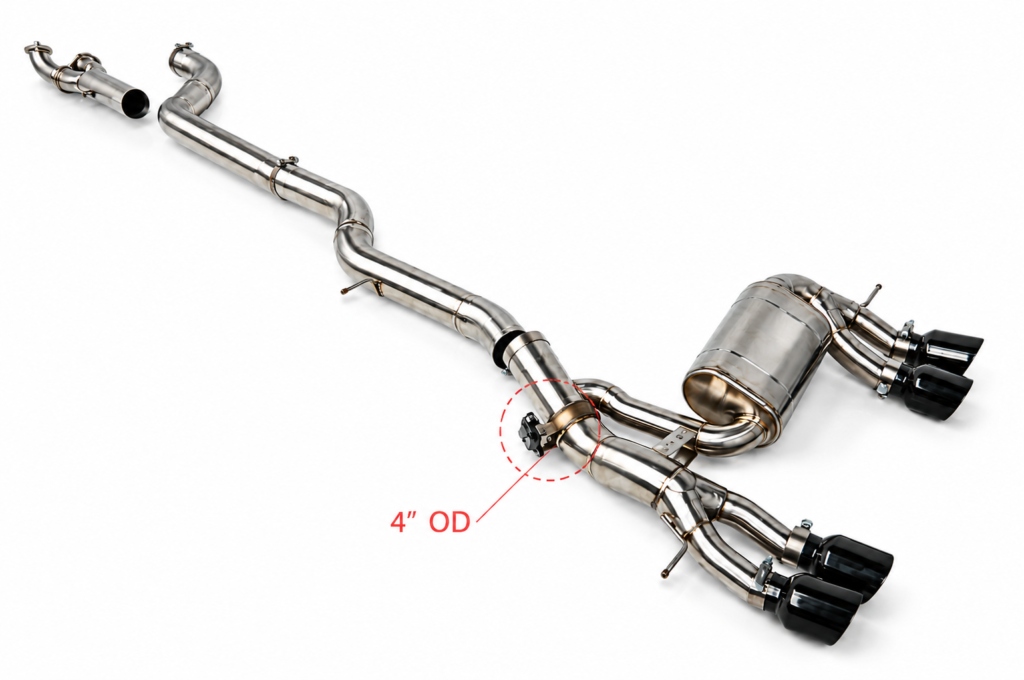
For performance-focused BMW enthusiasts, exhaust development is no longer only about making a car louder. As platforms such as the BMW G80 M3, G82 M4, and G87 M2 continue to evolve, drivers and performance brands are increasingly looking for exhaust systems that combine higher flow efficiency, refined sound tuning, reliable fitment, and long-term upgrade flexibility.
This shift is one of the reasons modular single catback exhaust systems are becoming increasingly popular across modern BMW performance platforms.
Moving Beyond Traditional Dual Exhaust Layouts
Factory exhaust systems on turbocharged BMW M platforms are typically designed to balance emissions, noise regulations, manufacturing cost, and mass production requirements.
However, for enthusiasts seeking improved response and a more motorsport-inspired driving experience, aftermarket exhaust development often focuses on optimizing exhaust gas flow.
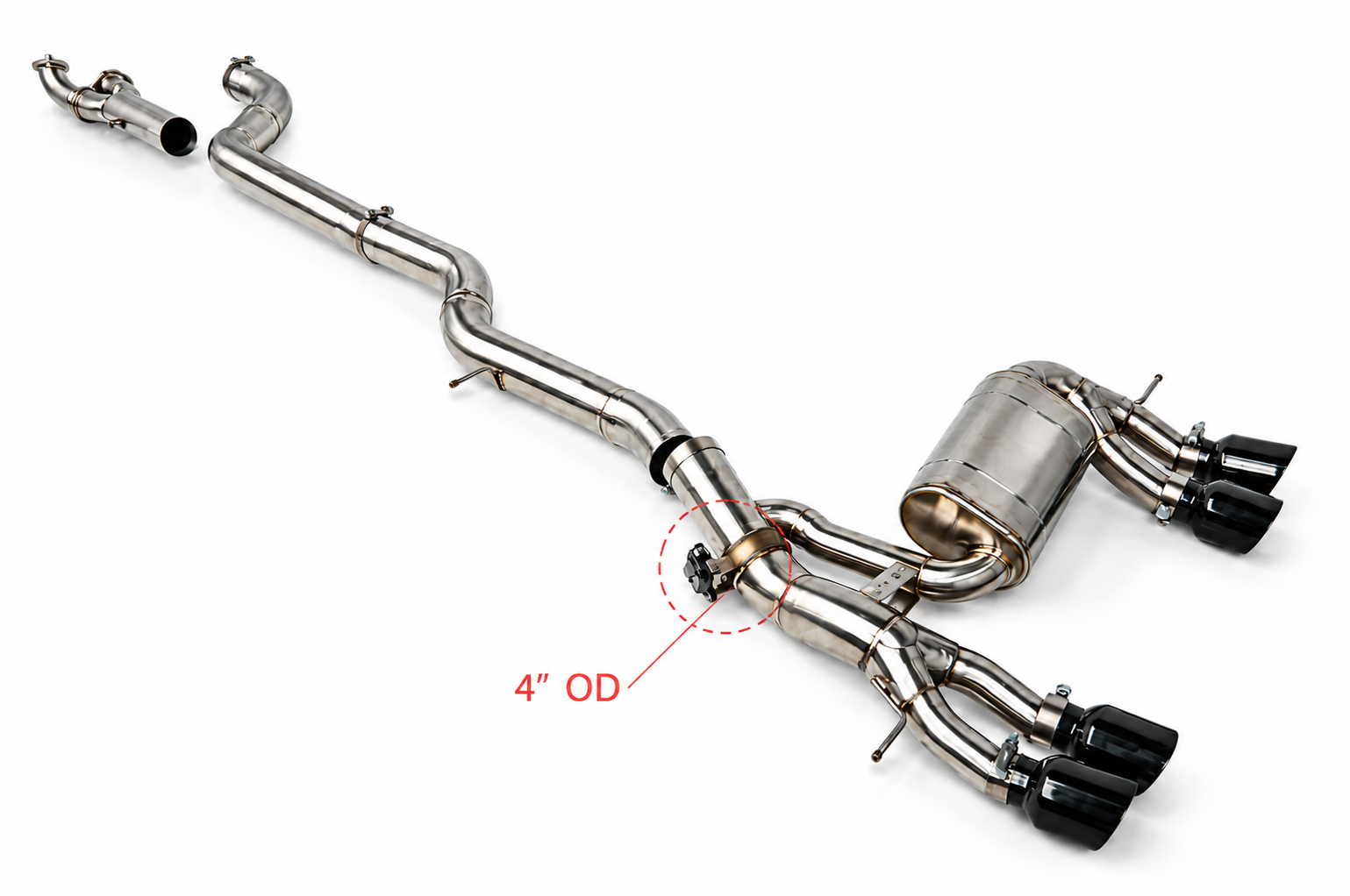
A modular single catback layout introduces a more direct exhaust path, helping reduce unnecessary turbulence while improving gas transition efficiency through the system.
The result is a setup that can potentially provide:
- Improved exhaust gas velocity
- Smoother flow transition
- Reduced restriction in high-RPM operation
- A deeper and more refined exhaust tone
- Better compatibility with upgraded turbocharged setups
Rather than prioritizing excessive loudness, modern exhaust development increasingly focuses on drivability and sound quality.
For many BMW owners, the goal is not simply a louder vehicle — it is achieving a more engaging sound without excessive rasp, drone, or unwanted cabin resonance.
Why Modular Design Matters
One of the biggest changes in performance exhaust engineering is the move toward modular construction.
Instead of designing an exhaust system as one fixed assembly, modular systems separate critical sections into interchangeable components.
This offers several advantages:
Easier Installation
Modular systems simplify fitment and alignment during installation, especially on performance vehicles with limited chassis clearance.
For workshops and distributors, this can significantly reduce installation time and minimize potential fitment issues.
Greater Upgrade Flexibility
Performance goals often change over time.
Some customers begin with a stock downpipe setup and later upgrade to high-flow catalytic converters or catless systems.
A modular exhaust design allows brands and end users to adapt without replacing the entire system.
Better Serviceability
If one section requires replacement or future revision, modular construction makes servicing more efficient and cost-effective.
This is particularly important for distributors and tuning shops managing long-term customer support.
The Importance of Accurate Chassis-Based Development
One overlooked challenge in aftermarket exhaust manufacturing is fitment accuracy.
Many aftermarket systems are developed using reverse engineering from competitor products, which can introduce accumulated dimensional deviation and installation inconsistencies.
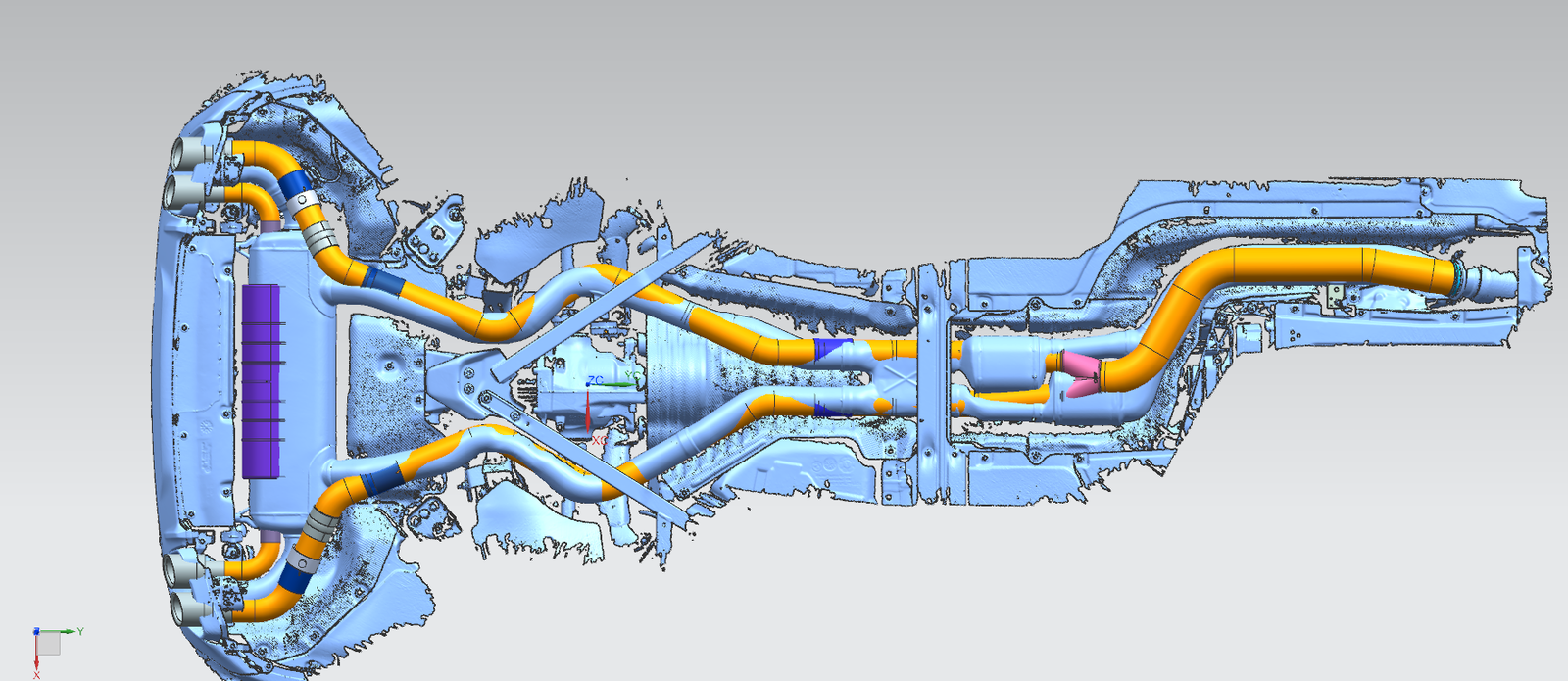
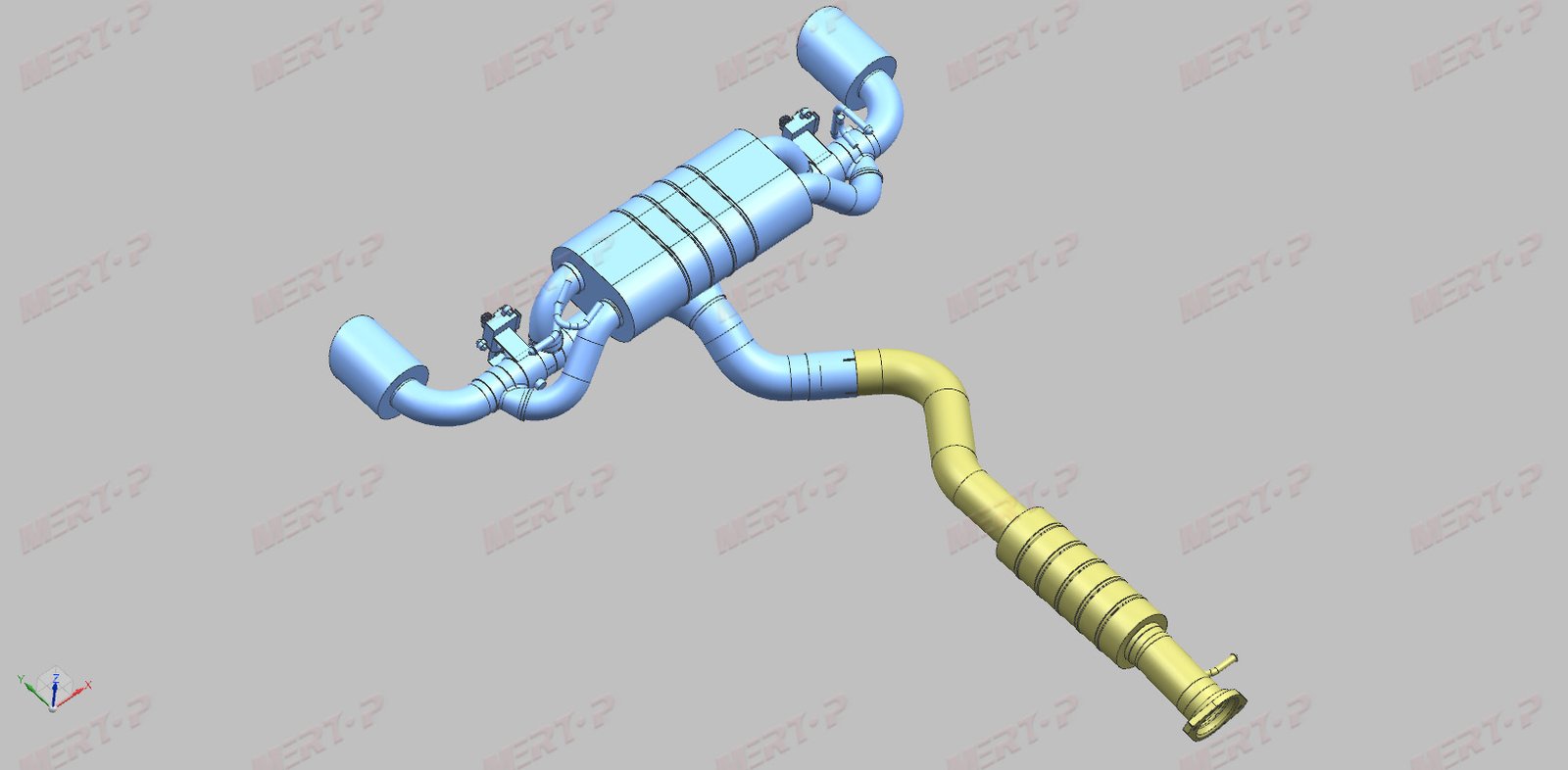
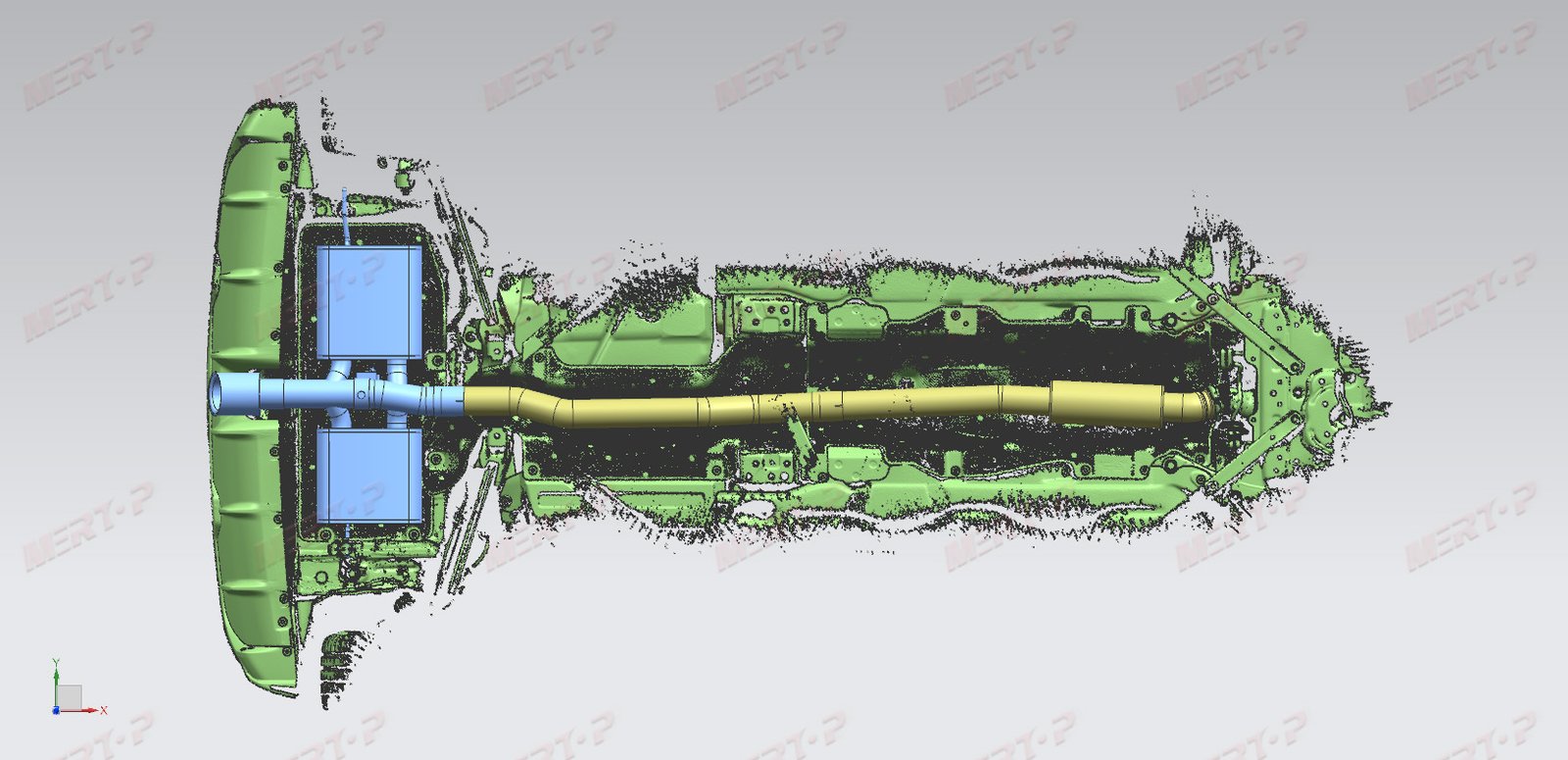
At MerTop, exhaust systems are developed using OEM chassis data and full vehicle scanning to ensure more accurate positioning, mounting alignment, and clearance optimization.
For BMW platforms, development begins with:
- Full chassis scanning
- OEM exhaust reverse engineering
- CAD-based exhaust routing design
- Fixture-controlled manufacturing
- Installation validation during prototyping
This development process helps reduce common installation issues such as:
- Flange misalignment
- Uneven tip positioning
- Chassis contact or vibration
- Valve actuator interference
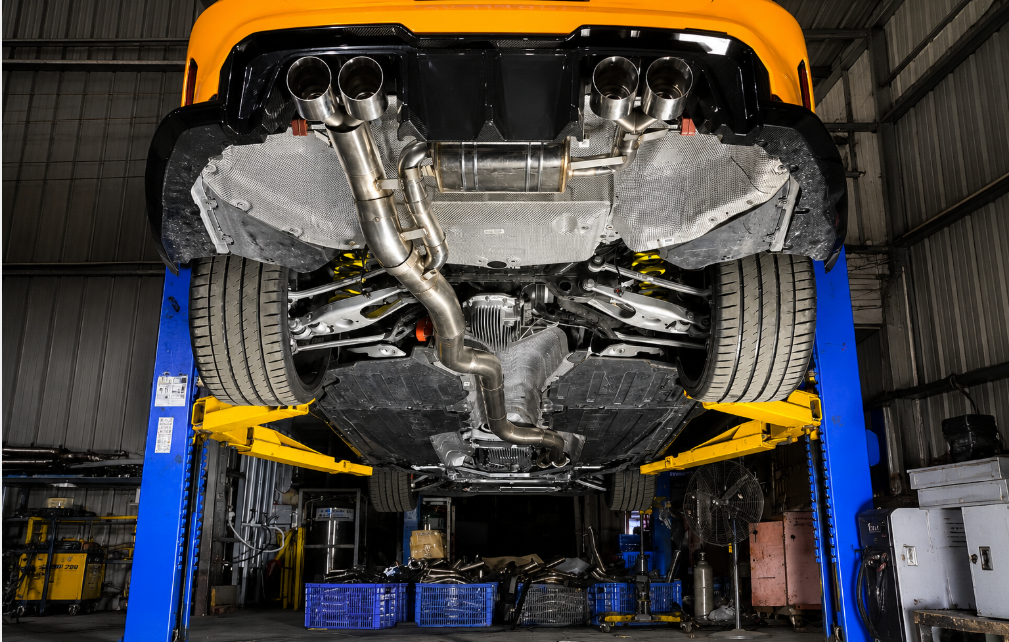
- Poor underbody clearance
For brands and distributors, this means fewer installation complaints and improved long-term customer satisfaction.
Material Selection: T304 Stainless Steel vs Titanium
Material choice also plays a major role in overall exhaust performance and positioning.
T304 Stainless Steel
T304 stainless steel remains a preferred solution for many performance applications due to its durability, corrosion resistance, and cost efficiency.
It provides a strong balance between performance and affordability.
Titanium Exhaust Systems
For premium applications, titanium offers significant weight reduction and a more exotic appearance.
A titanium catback system can improve overall vehicle responsiveness by reducing rear-end weight while delivering a distinctive motorsport-inspired sound profile.
It is also increasingly favored in premium BMW M builds and high-end tuning markets.
Future Trends in BMW Performance Exhaust Development
As BMW turbocharged platforms continue to evolve, performance exhaust systems are increasingly moving toward:
- Higher flow efficiency
- Modular upgrade paths
- Lightweight material construction
- Improved sound refinement
- OEM-level fitment accuracy
For performance brands, tuning companies, and distributors, choosing the right manufacturing partner is becoming as important as choosing the exhaust design itself.
The future of aftermarket exhaust systems will not simply be louder — it will be smarter, more refined, and engineered with long-term reliability in mind.
If your brand is developing exhaust systems for BMW G80/G82/G87, F90 M5, X3M, or other M platforms, working with a chassis-data-driven manufacturer can significantly accelerate product development while reducing fitment risk.